
Winter Gardening For Wildlife
by Brenda Kouyoumdjian, Master Gardener
Brisk air and brown leaves beckon gardeners outdoors for one last chance to get our hands dirty before bedding down for winter. We’re tempted to hack spent branches, snip dry seedpods, and clear away all yard debris. Cool weather clean up promotes healthy spring growth, but a healthy garden means much more than a clean landscape. A garden filled with native plants, structural diversity, and a few forgotten piles of leaves is a welcome habitat for wildlife seeking shelter through the seasons.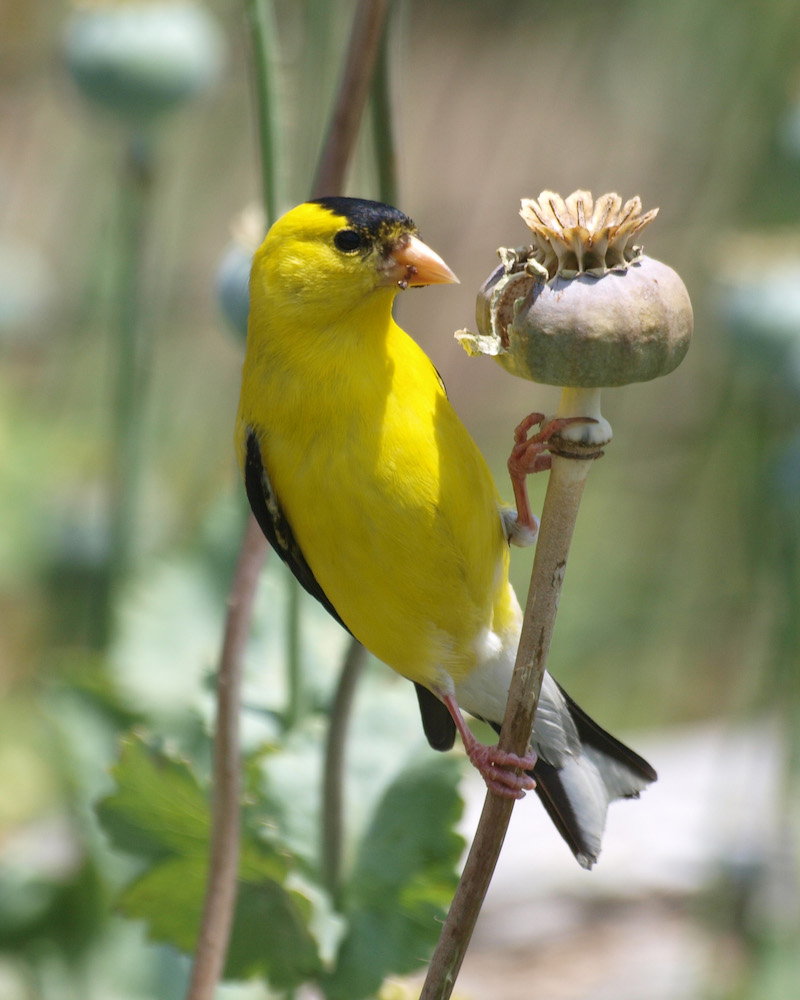
Winter presents special challenges for animals and insects that play a vital role in our local ecosystem. Food and water become scarce. When deciduous trees drop their leaves, animals have fewer places to hide from prey. The National Wildlife Federation identifies four critical elements that ensure a healthy habitat: food, water, shelter, and space to raise young. When we incorporate these elements into our gardens, we not only build sustainability but may also enhance our knowledge and enjoyment. A layered approach to winter landscaping adds texture, color, and an array of accommodations for all sorts of wildlife. Towering cedars, spruce, and pine form a canopy where animals seek shelter and safety. Snow dusted evergreens are also the perfect backdrop in a bleak winter landscape.
A grove of smaller trees and shrubs, such as serviceberry, redbud, pawpaw, and spicebush, provides food, as well as an escape route for animals living in the understory. Evergreen groundcover and perennials serve the same function for more terrestrial creatures.
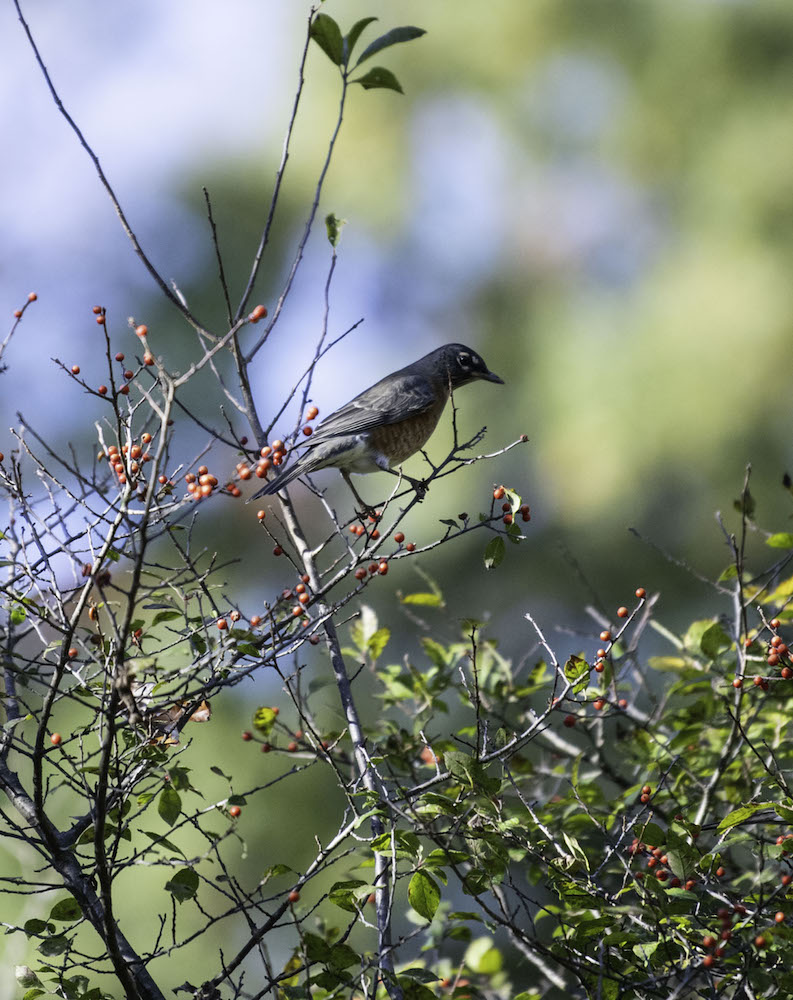
Native plants are a vital source of sustenance for migrating birds hoping to fatten up before their long journey, as well as for year-round residents. Berry-loving birds, such as cardinals, blue jays, and cedar waxwings, love the fruit of native dogwood (Cornus florida), Winterberry (Ilex verticillata), and American cranberry bush viburnum (Viburnum trilobum 'Compactum'). Fallen apples, berries, and drupes harbor insects that wrens and warblers gobble up.
Coneflowers and black-eyed susans experience a second wave of beauty when hungry goldfinches alight on their faded seedpods. Cardinals and grosbeaks seek pine and spruce seeds, while woodpeckers and nuthatches scramble along the trunks and branches of hickory, maple, and oak trees, pecking for insect treats. Many birds and butterflies nest in natural tree cavities, where they can protect their young.
When cool nights persist, a lone milkweed stalk may sustain a lingering monarch before she migrates.
 Milkweed fluff isn’t edible, but it makes great nesting material. When perennial flower stalks are finally spent, cut them back, but leave the ornamental grasses in the winter landscape. Their seeds are an excellent food source for wrens and sparrows. A clump of uncut grass, or an unpruned thicket, makes a great shelter. Skipper butterflies dine on native bluestem and switchgrass. They then spend the winter in leaf nests.
When the ground is hard and barren, a blanket of leaves raked against a fence makes a fine bed for crickets, earthworms, and grubs sought by towhees, robins, and thrashers. Remaining creepy- crawlers do our dirty work by de- composing dead leaves and fallen fruit, magically transforming spent soil into “black gold.” Native toads may find a tasty treat amongst the decomposers. Add a pile of rocks and bark to create a cozy space for them.
Why not branch out and invite a delightful, terrestrial flying squirrel family? Once endangered, flying squirrels are delightful to watch (they’re nocturnal) and also benefit an ecosystem. They forage for fungi and distribute spores, which helps trees’ root systems. They’ll also eat insects and tree sap, hickory nuts, and acorns in winter. They enjoy berries and make their home in the cavities of deciduous trees.
Food and shelter are important in the winter landscape, but water is a vital, scarce resource when temperatures dip below freezing. A shallow pond or birdbath will sustain many species. Frogs may burrow in and hibernate in a muddy bank, but birds and other animals can’t drink when water turns to ice. A heated birdbath with no more than three inches of water is a welcome relief. Place it near a patio door, and you’ll have a front-row seat when bright red cardinals light up a bleak winter day.
A burgeoning wildlife habitat invites many species, some more welcome than others. Attract the more delightful visitors by keeping compost and birdseed in well-sealed containers. Keep brush piles away from the house and more formal garden beds to prevent unwelcome visitors.
A diverse habitat can only enhance our garden's appeal, both for us and for creatures we hope to attract.