

Garden Gate Plant Shop — Summer Notes
Alda Krinsman, Garden Gate Plant Shop
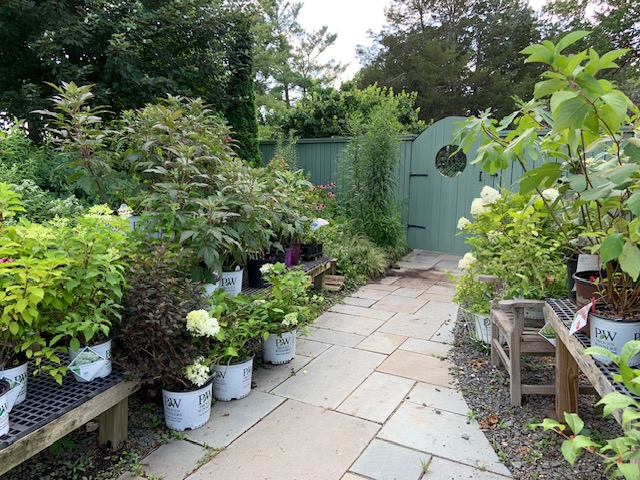 By the time you read this, we will be almost through July, which, along with August, is usually one of the hottest months of summer. As thoughts have turned to air conditioning, swimming pools, and cool drinks, garden work, including weeding and planting, is probably the last thing on anyone’s mind. However, now is not the time to turn a blind eye to all those plants you may have enthusiastically acquired and added to the garden this past spring. If you hope those plants become successful additions to your garden, please don’t forget to water them thoroughly at least once a week, especially during periods when there is no significant rainfall.
Although the hottest months of summer may not pose ideal conditions for gardening, they are a good time to go out and assess your garden to see which plants perform best during our hot, humid weather and which plants are probably not a good choice for Northern Virginia summers. Start making a list of plants that would be good additions and plan to add them when temperatures cool down in the fall.
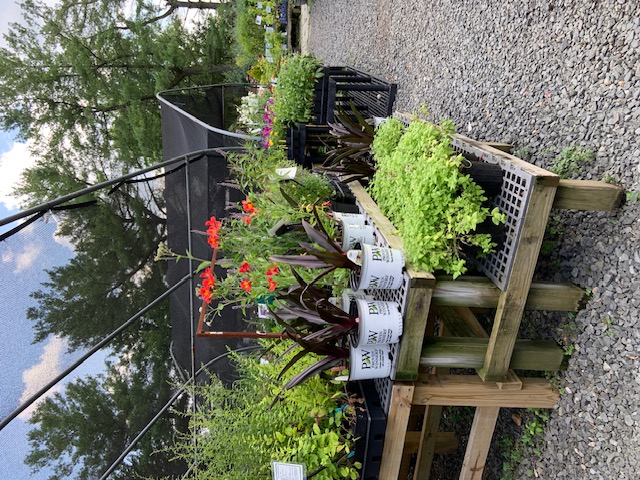 Fall is the optimal time to make additions to the garden. Although the air temperatures are cooler, the soil temperatures are warm enough to encourage root growth by newly planted plants. The cooler air temperatures, especially at night, allow newly planted perennials, shrubs, and trees to establish in their new homes without being stressed by heat. Cooler temperatures do not mean you do not need to water new plantings, however, especially if we have a dry fall like we did in 2024.
If you hope to have perennials or shrubs that will bloom in spring, consider planting them in fall so they are ready to go in spring. Some suggestions for spring-blooming perennials to plant this fall are Blue Stars (Amsonia species), which have small blue flowers in early spring, and moss phlox (Phlox subulata), a low-growing evergreen ground cover covered with many bright flowers in shades of pink, purple, and white. There are many different species of Blue Stars, including thread-leaf Blue Stars. Blue Stars do best in full sun, are very tough when established, and have the advantage of attractive summer foliage that turns a nice yellow in fall. For those with shady gardens, consider using fall to establish some spring-blooming plants such as foam flowers (Tiarella species), coral bells (Heuchera species), woodland phloxes (Phlox divaricata and Phlox subulata), barrenwort (Epimedium species), which are good groundcovers for drier shady spaces, and evergreen native groundcovers like golden ragwort (Packera aurea).
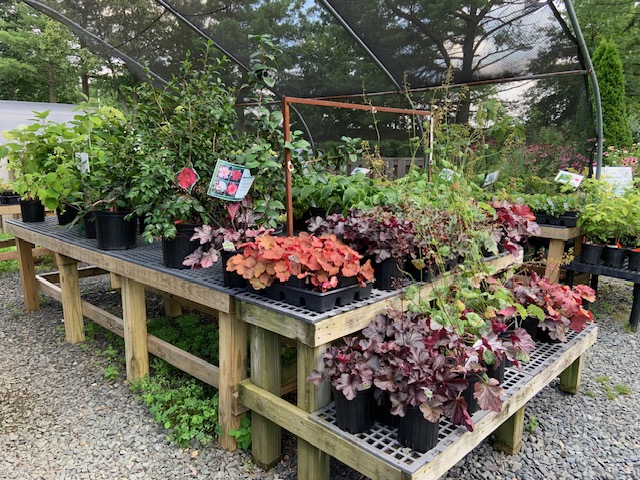 Early fall is also a good time to plant shrubs, especially evergreen shrubs such as Camellias and evergreen hollies (Ilex species). Early fall planting allows shrubs to establish roots before they are confronted with desiccating cold winter winds. Deciduous shrubs such as Viburnums, Hydrangeas, winterberry hollies (Ilex verticillata), and witch hazels (Hamamelis species) can also be planted in fall with good results. Because they lose their leaves after frosts, they will not be as stressed by cold winter winds, even if planted later in fall.
We have many of the plants mentioned above in the Garden Gate Plant Shop, so come check us out. We can answer any questions you may have as you plan next year’s garden--even in the heat of the summer!
Photos taken by Alda Krinsman
