
A World of Exploration
by Elizabeth Waugh,
GSG Children’s Education
Our muscles as interpreters have been given an intense workout over the last year as we have devised creative and safe ways to engage with the public. Although we creep closer to a pre-pandemic sense of normalcy, we are still challenging these muscles to connect with those unable to visit the park just yet. Enter virtual children’s programs.
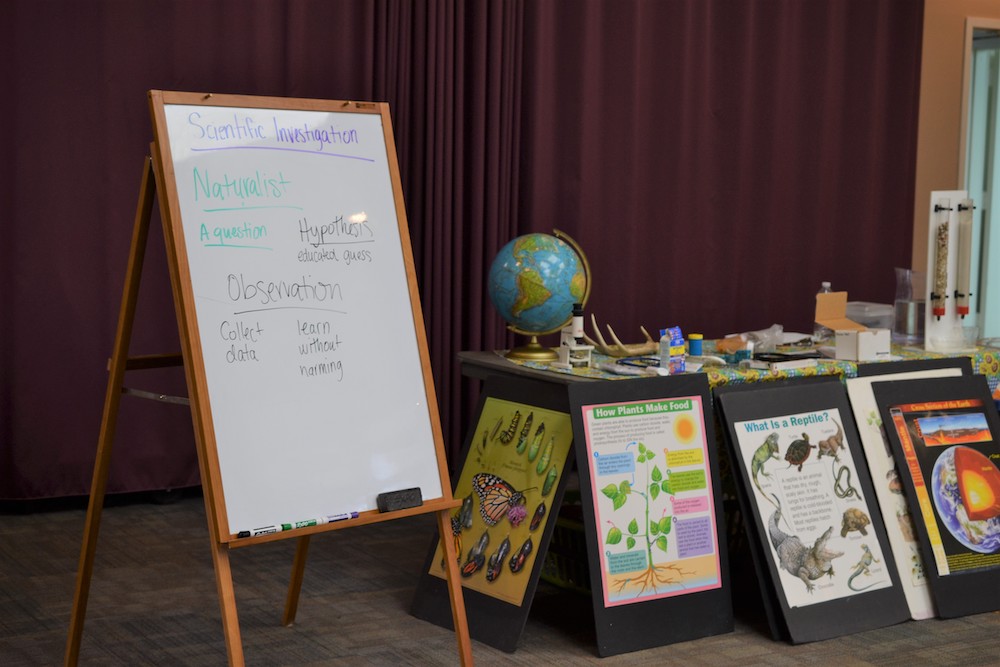 Although it was not part of our initial focus, the demand for virtual program options has lately increased. It was hard to fathom how to we might adapt our programs to a virtual format. After all, we incorporate touch tables, planting sessions, and the physical park into our lesson plans and have a decidedly “tactile experience” teaching method. How could we transmit this experience via a computer screen?
To make our virtual classes as engaging as possible we involve the students in the teaching process. This is no ordinary lesson - they must listen to the call of a frog and match it with the correct species image. Or plan a delicious meal from the edible garden we have dreamed up together in an interactive design. We hop from one subject point to the next, keeping up a fast pace so minds don’t wander. By involving students in the presentation, we keep them on their toes. Video and audio clips—from a virtual tour of the gardens to the life cycle of a plant— enliven presentations and offer clear explanations along with a visual feast!
We have managed to bridge the tactile learning experience gap by providing take-home materials kits for an activity like seed planting or a craft that everyone completes during the program. This hands-on creative element adds excitement and makes the experience more memorable, relevant, and enduring.
This spring our most exciting virtual program development has been the scheduling of five virtual field trip sessions with an Arlington County public school. This will be our first interaction with school groups since our last school field trip in early March 2020. It is especially meaningful to us as school field trips were previously the bulk of our programming, and we interacted with 5,000-6,000 students in Northern Virginia every academic year. We have missed the yellow school buses rolling up to the Horticulture Center. So knowing that we will soon be reaching out to 130 school students virtually is uplifting.
More apps are introduced every year to help users study the natural world, from identifying native plants or birds to understanding local ecosystems. While we hope to bring students back to the park safely soon, virtual programs have opened our eyes to new technological possibilities. Both computer screens and nature offer a world of exploration and learning. Perhaps combining the two is easier than we thought.
